
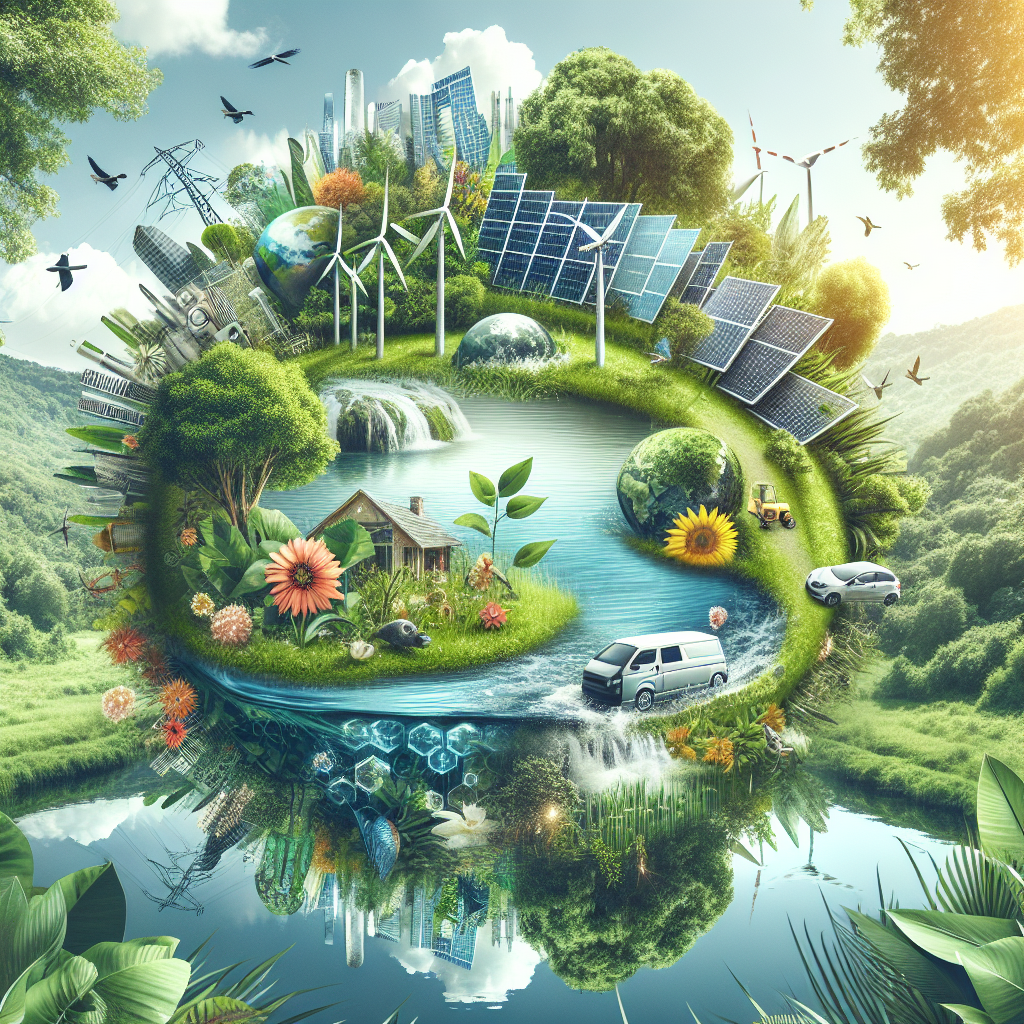
Climate change is one of the most pressing challenges of our time. The warming of our planet due to greenhouse gas emissions has repercussions that affect ecosystems, weather patterns, and human health. As we look for solutions to mitigate climate change, energy efficiency holds significant promise. This article dives into the impact of energy efficiency on climate change mitigation, examining its benefits, strategies, and future implications.
Understanding Energy Efficiency
Energy efficiency refers to using less energy to perform the same task or get the same result. It can be achieved through technology advancements, improved practices, and behavioral changes. For instance, using energy-efficient appliances, enhancing insulation in buildings, or utilizing smart technology to optimize energy consumption are all ways to improve energy efficiency.
Why Energy Efficiency Matters in Climate Change Mitigation
Energy efficiency plays a critical role in reducing greenhouse gas emissions, which is pivotal in mitigating climate change. Here’s how:
1. Reduction of Energy Consumption
By implementing energy-efficient practices, overall energy consumption decreases. This reduction means less fossil fuel is burned for electricity generation, resulting in lower carbon emissions. According to the International Energy Agency (IEA), increasing energy efficiency could contribute significantly to cutting global carbon emissions and achieving climate objectives.
2. Economic Benefits
Energy efficiency not only conserves energy but also saves money. Reduced energy bills can free up funds for other essential services and investments. Companies that prioritize energy efficiency often see improved profitability, as well as enhanced productivity due to better working environments.
3. Job Creation
The transition to more energy-efficient practices can create new jobs across various sectors. From manufacturing energy-efficient technologies to retrofitting residential and commercial buildings, the demand for skilled labor in the energy efficiency sector is growing. According to the U.S. Department of Energy, energy efficiency initiatives create more jobs than fossil fuel projects.
Strategies for Improving Energy Efficiency
To capitalize on the benefits of energy efficiency, various strategies can be implemented at individual, organizational, and governmental levels:
1. Residential Energy Efficiency
Homeowners can implement energy-efficient practices such as:
- Installing energy-efficient appliances
- Enhancing insulation and sealing leaks
- Utilizing programmable thermostats
- Switching to LED lighting
2. Commercial Energy Efficiency
Businesses can focus on:
- Conducting energy audits to identify inefficiencies
- Investing in Energy Management Systems (EMS)
- Utilizing renewable energy sources in conjunction with energy-saving technologies
3. Government Initiatives
Governments can boost energy efficiency through:
- Setting energy efficiency standards and regulations
- Offering incentives for energy-efficient technologies
- Investing in large-scale programs focused on public infrastructure
The Future of Energy Efficiency in Climate Change Mitigation
The future of energy efficiency looks promising but requires concerted efforts from all sectors. As more individuals and businesses recognize the necessity of transitioning to energy-efficient practices, the influence on climate change mitigation will grow exponentially.
Emerging technologies, such as IoT (Internet of Things) and AI (Artificial Intelligence), are set to revolutionize how we manage energy consumption in real-time, optimizing efficiency. Additionally, as renewable energy sources become more prevalent, the integration of energy-efficient technologies with sustainable energy will further enhance our ability to combat climate change.
Conclusion
In conclusion, energy efficiency is a vital component of climate change mitigation. By reducing energy consumption, promoting economic growth, and creating jobs, energy efficiency offers multiple benefits that extend beyond environmental impacts. As we continue to acknowledge the threats posed by climate change, adopting effective energy-saving strategies will be crucial in our fight against it. A collective commitment to energy efficiency can pave the way for a sustainable future, ensuring that the next generations inherit a healthier planet.
Frequently Asked Questions (FAQs)
1. What is energy efficiency?
Energy efficiency refers to the use of less energy to provide the same service. It can be achieved through advanced technology, improved practices, and behavioral changes.
2. How does energy efficiency help combat climate change?
By reducing energy consumption, energy efficiency helps decrease carbon emissions, thereby mitigating climate change’s effects. Less fossil fuel burned for energy means lower greenhouse gas emissions.
3. Are there financial benefits to energy efficiency?
Yes! Energy-efficient practices lead to lower energy bills, increased profitability for businesses, and can create jobs in sectors focused on energy savings and technology.
4. How can I improve energy efficiency at home?
Homeowners can improve energy efficiency by upgrading to energy-efficient appliances, sealing insulation, using smart thermostats, and switching to LED lighting.
5. What role do governments play in promoting energy efficiency?
Governments can promote energy efficiency by implementing standards, providing incentives, and investing in energy-efficient public infrastructure and programs.