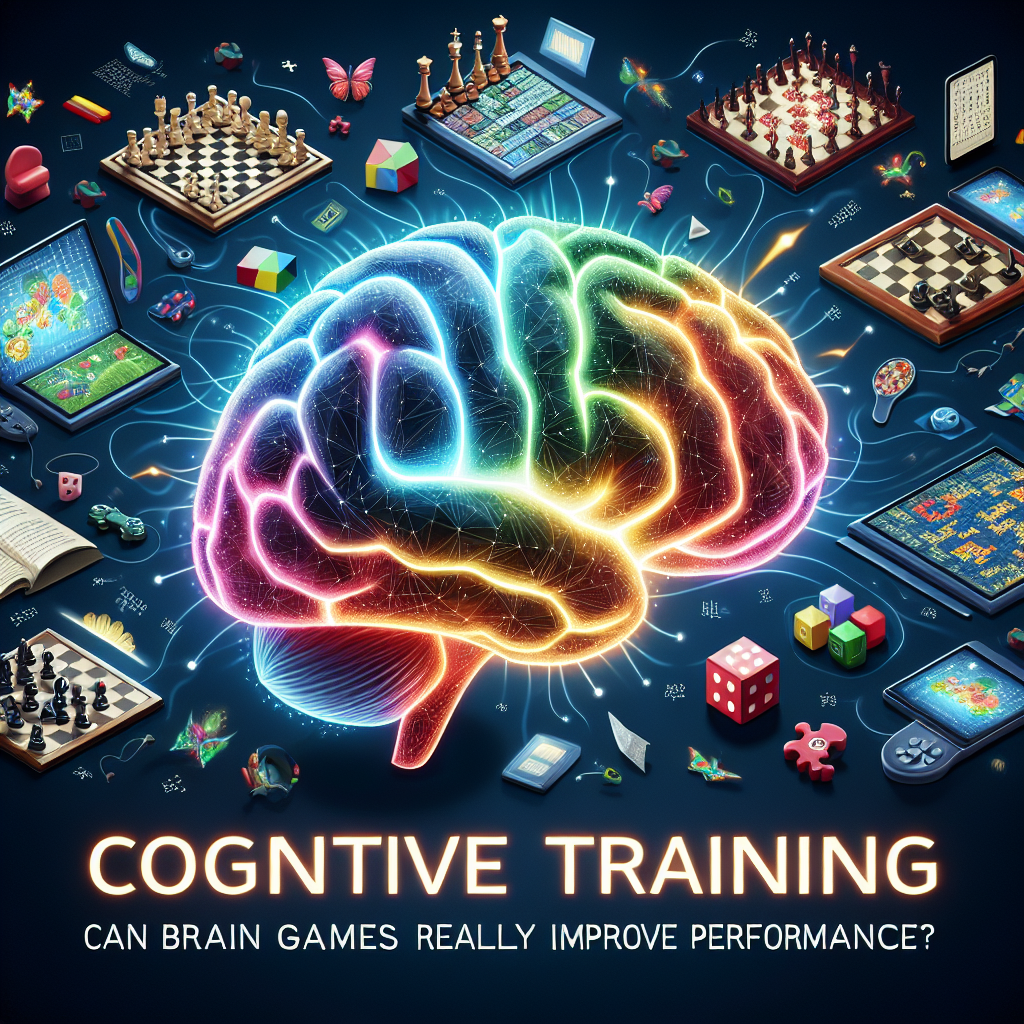
In today’s fast-paced world, the desire to enhance mental performance is more crucial than ever. Many individuals turn to cognitive training or brain games, believing they can sharpen their minds, boost memory, and improve overall cognitive function. But do these exercises yield significant benefits? In this article, we will delve into the science behind cognitive training, scrutinize the effectiveness of brain games, and explore how these tools might fit into your mental fitness regimen.
What Is Cognitive Training?
Cognitive training refers to a variety of exercises and games designed to enhance cognitive functions such as memory, attention, problem-solving skills, and reasoning. Often found in apps and online platforms, these brain games aim to stimulate various areas of the brain through tasks that challenge one’s mental agility.
The Science Behind Cognitive Training
Several studies have investigated the effects of cognitive training on brain performance. Cognitive neuroscience, the field that explores how our brain relates to cognitive processes, provides insight into how logical and structured games can activate different brain areas.
Neuroplasticity and Cognitive Training
Neuroplasticity—the brain’s ability to reorganize itself by forming new neural connections—is at the core of cognitive training. When you play brain games, you are essentially stimulating these connections. Over time, engaging in these activities can lead to improved cognitive flexibility and mental resilience.
Research Findings
Research shows mixed results when it comes to the long-term benefits of brain games. For instance, a study published in the journal Psychological Science found that participants who engaged in cognitive training exercises showed short-term improvements in game-specific skills. However, there’s little evidence to suggest that these skills translate to everyday tasks or enhance general cognitive function significantly.
Types of Brain Games
Brain games come in various forms, each targeting different cognitive skills. Here are some popular categories:
- Memory Games: Designed to improve short-term and working memory, these games often involve recalling sequences or matching pairs.
- Puzzle Games: Jigsaw puzzles, Sudoku, and crosswords challenge logical thinking and problem-solving abilities.
- Speed Games: These games require quick thinking and fast reactions, often involving time-sensitive tasks.
- Attention Games: Activities that focus on enhancing concentration skills, often requiring players to focus on specific details while ignoring distractions.
How to Incorporate Cognitive Training into Your Routine
If you’re considering cognitive training, here are some practical tips for incorporating brain games into your daily routine:
1. Choose the Right Games
Pick games that you enjoy and feel engaged with. The more fun you have, the more likely you are to stick with it in the long run.
2. Set a Schedule
Incorporate cognitive training into your daily or weekly routine. Aim for 15-30 minutes a day, a few times a week, to see tangible benefits.
3. Track Your Progress
Many brain game platforms allow you to track your performance over time. Keeping a record can help you stay motivated and witness improvements.
4. Combine With Other Cognitive Activities
Incorporating reading, learning a new language, or engaging in discussions can enhance cognitive training. Diversity in activities helps target different cognitive skills.
Limitations and Misconceptions
While cognitive training has its benefits, it’s essential to recognize its limitations. Here are common misconceptions:
Brain Games Guarantee Intelligence Boosts
While cognitive training can improve certain skills, it does not necessarily make you “smarter.” These games may enhance specific abilities, but general intelligence is a more complex trait influenced by various factors.
They Replace Traditional Learning
Brain games should be viewed as a supplement to traditional learning methods, not a replacement. Engaging in diverse educational experiences is crucial for holistic cognitive development.
Real-World Applications of Cognitive Training
Beyond individual pursuits, cognitive training also finds applications in various professional fields.
Education
Teachers and educational institutions are incorporating cognitive training tools to aid students in improving their focus, memory retention, and problem-solving abilities.
Corporate Sector
Businesses are beginning to recognize the importance of cognitive training in improving employee performance and productivity. Workshops and training sessions often include brain games aimed at enhancing team collaboration and strategic thinking.
Healthcare
Healthcare professionals utilize cognitive training for rehabilitation purposes, particularly for patients recovering from brain injuries or cognitive decline. Tailored exercises help patients regain lost skills.
Conclusion
The evidence surrounding cognitive training and brain games showcases their potential to enhance specific cognitive skills. While the research is varied, these games can serve as an entertaining and engaging way to keep your mind sharp. However, it’s crucial to view them as part of a broader cognitive development strategy, which includes traditional learning, diverse experiences, and mental challenges. Remember, a healthy mind thrives on a balanced approach!
FAQs
Can brain games improve memory?
Yes, many brain games are designed to enhance memory skills through repetitive tasks that challenge your recall abilities. However, the effects may be more pronounced in specific game contexts rather than general memory improvement.
How often should I play brain games to see results?
Aiming for 15-30 minutes of brain games a few times a week is a good practice. Consistency is key, so find a schedule that works for you and stick with it!
Do I need to pay for brain games, or are there free options available?
While many brain games require a subscription or purchase, there are numerous free options available online or as mobile apps that can provide effective cognitive challenges without cost.
Are brain games suitable for all ages?
Absolutely! Brain games can be tailored for various age groups and cognitive levels, making them accessible for children, adults, and seniors alike.
Can cognitive training replace medical treatment for cognitive decline?
No, cognitive training is not a substitute for medical treatment. While it may support cognitive function, individuals experiencing cognitive decline should consult healthcare professionals for appropriate evaluations and interventions.