
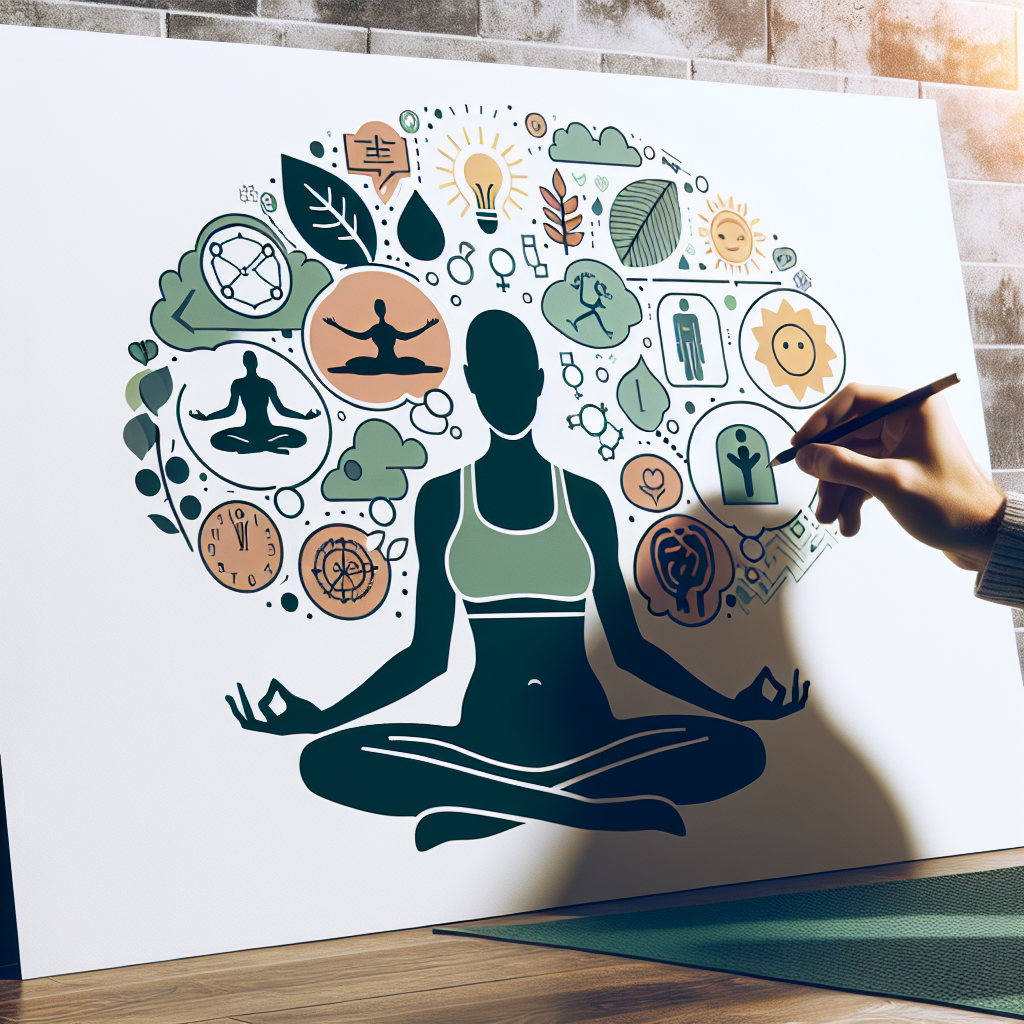
The mind-body connection is a powerful aspect of human well-being. It encompasses the intricate relationship between our mental and emotional states and their influence on our physical health. By harnessing this connection, we can improve not only our emotional health but also enhance our physical vitality. In this article, we’ll explore various exercises and practices that promote this essential connection, leading to a healthier and happier life.
Understanding the Mind-Body Connection
The mind-body connection refers to how our thoughts, feelings, and emotions affect our body’s physical state. Scientific research has shown that stress, anxiety, and negative emotions can lead to a range of health issues, including elevated blood pressure, weakened immune response, and chronic pain. Conversely, positive thoughts and emotional well-being can enhance physical health and increase resilience against diseases.
The Science Behind It
Neuroscientific studies demonstrate that the brain communicates with the body through hormones, neurotransmitters, and the nervous system. For instance, stress can trigger the release of cortisol, which can impact various bodily functions. By understanding this connection, we can develop exercises that promote both mental and physical well-being.
Exercises to Enhance the Mind-Body Connection
Incorporating specific exercises into your daily routine can help strengthen the mind-body connection. Below are several practices categorized under mental and physical exercises.
Mental Exercises for Emotional Health
- Meditation: A practice that helps calm your mind and increase your awareness of the present moment. Start with just a few minutes daily, gradually increasing the length to reap the benefits.
- Mindfulness: Focus your attention on the present, engaging fully in the current moment. Try mindful breathing or mindful eating to practice this concept.
- Gratitude Journaling: Write down things you are grateful for each day. This practice shifts your focus from negative to positive, enhancing emotional resilience.
- Visualization: Imagine a positive outcome in stressful situations. Visualization techniques can help reduce anxiety and prepare the mind for success.
Physical Exercises for Physical Health
- Yoga: A holistic practice that involves breath control, meditation, and physical postures. Yoga not only enhances flexibility and strength but also calms the mind.
- Tai Chi: Known as “meditation in motion,” Tai Chi involves slow, deliberate movements. This practice promotes balance, improves circulation, and reduces stress.
- Aerobic Exercise: Activities like running, swimming, or dancing can boost endorphin levels, improving mood and reducing feelings of anxiety.
- Progressive Muscle Relaxation: Tense and then relax each muscle group in your body. This practice helps recognize physical tension and encourages relaxation.
The Role of Breathing
Breathing is a crucial component of both mental and physical practices. Deep, controlled breathing can significantly reduce stress levels. Here’s a simple breathing exercise:
Deep Breathing Exercise
- Find a comfortable position, sitting or lying down.
- Inhale deeply through your nose, counting to four.
- Hold your breath for a count of four.
- Exhale slowly through your mouth for a count of six.
- Repeat this for several minutes, focusing solely on your breath.
Creating a Balanced Routine
To harness the mind-body connection effectively, it is essential to create a balanced routine incorporating both mental and physical exercises. Aim for:
- 15-30 minutes of mindfulness or meditation each day.
- At least 30 minutes of physical activity daily, mixing aerobic and flexibility training.
- Regular journaling sessions to foster gratitude and introspection.
Conclusion
Understanding and harnessing the mind-body connection can lead to profound changes in your emotional and physical health. By incorporating mental and physical exercises into your daily life, you not only enhance your well-being but also cultivate resilience against life’s challenges. Making these practices a habit can contribute to a more fulfilling and healthier life.
FAQs
1. What is the mind-body connection?
The mind-body connection is the relationship between an individual’s thoughts, emotions, and physical health. It illustrates how mental processes can influence physical responses.
2. How does meditation impact physical health?
Meditation helps reduce stress, which can lower blood pressure and improve heart health. It also promotes overall well-being and emotional stability.
3. Can physical exercise help with mental health?
Yes, regular physical activity increases endorphins, which can help alleviate symptoms of depression and anxiety, improving overall mental health.
4. Is yoga beneficial for everyone?
Yoga can be adapted for various fitness levels and physical conditions, making it accessible to most people. It promotes relaxation, flexibility, and mental clarity.
5. How often should I practice mindfulness or meditation?
Starting with 5-10 minutes daily is beneficial. As you become more comfortable, you can increase the duration to experience greater effects.