
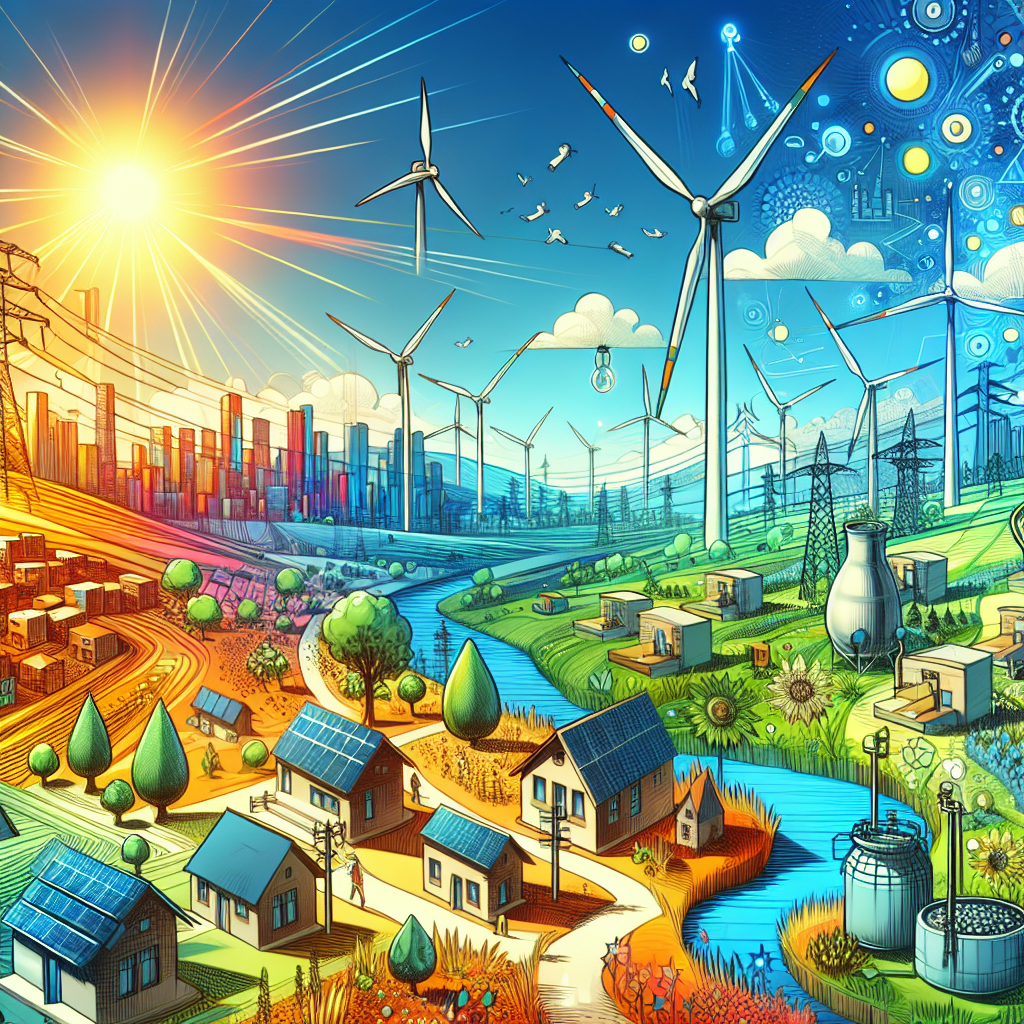
The world is undergoing a remarkable transformation in how we generate and consume energy. As the demand for sustainable practices increases, decentralized energy solutions are stepping up to the plate, providing cleaner and more accessible power. But how exactly are local solutions changing the energy landscape? This article will explore the concept of decentralized energy, its benefits, challenges, and the bright future it offers.
Understanding Decentralized Energy
Decentralized energy refers to power generation systems that are located close to the point of use, as opposed to centralized systems, which generate electricity in large power plants and transmit it over long distances. This approach can include a variety of sources, such as solar panels, wind turbines, and small-scale hydro projects, often operated by local communities or individuals.
The Benefits of Decentralized Energy
Decentralized energy offers numerous advantages, contributing to both environmental sustainability and social equity:
1. Increased Access to Power
Decentralized energy systems can provide electricity to remote and underserved areas where traditional grid expansion is impractical or too costly. By harnessing local renewable resources, communities can achieve energy independence, significantly improving their quality of life.
2. Environmental Sustainability
As climate change continues to threaten our planet, decentralized energy plays a pivotal role in reducing greenhouse gas emissions. By leveraging renewable sources like solar and wind, these systems can help transition away from fossil fuels, leading to a cleaner, sustainable future.
3. Economic Benefits
Local energy solutions can stimulate job creation and economic development. Installation, maintenance, and operation of decentralized systems often require local labor, thereby boosting the local economy and reducing unemployment.
4. Enhanced Resilience
Decentralized energy systems are less susceptible to large-scale outages, making them more resilient during natural disasters or unforeseen events. Communities that generate their own power can maintain essential services when the centralized grid goes down.
5. Empowering Communities
Decentralized energy empowers communities to take charge of their energy needs. By involving local stakeholders in energy planning and decision-making, these solutions foster community engagement and ownership, which is essential for their success.
Challenges Facing Decentralized Energy
While decentralized energy holds immense promise, there are challenges that need to be addressed:
1. Initial Costs
The upfront investment required for decentralized energy systems, especially renewable technologies like solar panels and wind turbines, can be a significant barrier for communities, especially in developing nations. Financial assistance and innovative funding models are essential to overcome this hurdle.
2. Regulatory Hurdles
In many regions, existing energy regulations favor centralized systems. Adapting legal frameworks to support decentralized energy initiatives is crucial for encouraging investments and fostering innovation.
3. Technical Challenges
Implementing decentralized energy systems requires a skilled workforce capable of designing, installing, and maintaining these technologies. Investing in local training programs can help build the necessary expertise.
Success Stories: Decentralized Energy in Action
Let’s take a look at some inspiring examples from around the world:
1. Rural Electrification in India
In India, renewable energy cooperatives are transforming remote villages by providing clean energy access. These initiatives have empowered locals to participate in energy production and consumption actively.
2. Microgrids in Africa
Microgrids powered by solar energy are becoming popular in Africa, addressing the continent’s energy access challenges. Companies like M-KOPA Solar provide pay-as-you-go solar solutions that enable families to access power without high initial costs.
3. Community Wind Projects in Europe
Countries like Denmark have embraced community-owned wind farms, allowing local stakeholders to invest in and benefit from renewable energy. This model has successfully increased renewable energy generation while empowering community members.
Future Trends in Decentralized Energy
Looking forward, several trends indicate that decentralized energy will continue to grow:
1. Technological Advancements
As technology progresses, decentralized energy systems will become more efficient and affordable. Innovations in energy storage, smart grids, and energy management systems will enhance their reliability and performance.
2. Collaborations and Partnerships
Public-private partnerships, along with community and non-profit collaborations, will play a crucial role in scaling decentralized energy solutions and ensuring their sustainability.
3. Policy Support
As awareness of climate change increases, governments around the world are likely to adopt more supportive policies that foster decentralized energy systems, making them more viable for communities.
Conclusion
Decentralized energy is not just a trend; it’s a transformative approach to power generation and consumption that promises to redefine energy access in the coming years. By leveraging local resources, fostering community engagement, and promoting sustainability, decentralized energy solutions empower individuals and communities, paving the way for a cleaner, more equitable energy future. The journey is just beginning, and everyone has a role to play in championing this vital shift towards localized energy solutions.
Frequently Asked Questions (FAQs)
1. What is decentralized energy?
Decentralized energy refers to systems that generate power close to where it is used, utilizing renewable resources like solar, wind, and small-scale hydro, often managed by local communities or individuals.
2. What are the benefits of decentralized energy?
Benefits include increased access to electricity, environmental sustainability, economic development, enhanced resilience to outages, and greater community empowerment.
3. What challenges does decentralized energy face?
Challenges include high initial costs, regulatory hurdles, and the need for technical expertise and skilled labor to implement and maintain decentralized systems.
4. How can communities fund decentralized energy projects?
Communities can explore funding through grants, loans, crowdfunding, or public-private partnerships, which can help cover initial costs associated with the installation of decentralized energy systems.
5. Are there successful examples of decentralized energy?
Yes, notable examples include rural electrification projects in India, microgrids in Africa, and community wind projects in Europe.