

Understanding Cistanche: Definition and Traditional Uses
Cistanche is a parasitic herb that grows in arid regions, primarily found in the deserts of China and Mongolia. Known scientifically as Cistanche tubulosa, this herb has played a significant role in traditional Chinese medicine (TCM) for centuries. Cistanche is revered for its potential to enhance vitality and support various aspects of health, particularly in the realms of sexual health and overall well-being.
Historically, Cistanche has been dubbed the “ginseng of the desert” due to its invigorating properties, which are believed to support energy levels and rejuvenate the body. Its use dates back to ancient times when it was primarily utilized to combat fatigue, enhance stamina, and restore vitality among those suffering from various ailments. The herb has been incorporated into numerous traditional herbal formulations aimed at promoting longevity and improving quality of life.
In TCM, Cistanche is often considered a tonic, used to nourish the kidney and liver, which are essential organs for sustaining energy and maintaining hormonal balance. Traditional practitioners recommend it for individuals experiencing diminished sexual function, fatigue, or general weakness. Furthermore, Cistanche is known for its adaptogenic properties, allowing the body to adjust to stress and improve resilience against environmental hardships.
The herb is typically consumed in various forms, including powdered extracts, teas, and as an ingredient in complex herbal decoctions. Its integration into daily health practices demonstrates its value in contemporary wellness and further solidifies its importance in traditional remedies. The growing interest in herbal medicine today highlights Cistanche’s potential as a natural solution for enhancing vitality, underscoring its historical significance and enduring appeal.
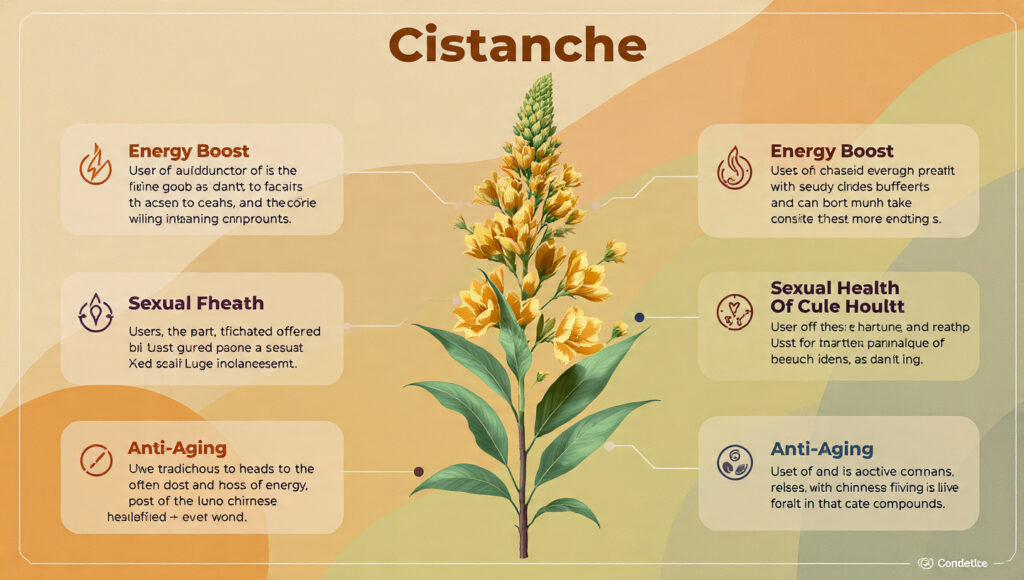
Cistanche Species: Deserticola vs Tubulosa and Their Applications
Cistanche, a robust herb commonly found in arid regions, encompasses various species, notably Cistanche deserticola and Cistanche tubulosa. These two species are often studied for their distinct applications and benefits in herbal medicine. Cistanche deserticola, renowned for its high polysaccharide content, is traditionally employed to combat a range of health concerns, including fatigue, sexual dysfunction, and enhancing overall vitality. Its adaptogenic properties support stress resilience and energy levels, making it a favored choice among herbal practitioners.
In contrast, Cistanche tubulosa is characterized by its rich content of phenylethanoid glycosides, which are believed to contribute to its neuroprotective and anti-aging properties. This species is often recommended for those seeking cognitive support, memory enhancement, and improved mood. In traditional Chinese medicine, Cistanche tubulosa is utilized for its ability to nourish the kidneys and support reproductive health, thus appealing to those focused on hormone regulation.
When considering which species may be better suited for specific health concerns, it is crucial to evaluate individual needs and health goals. For instance, those experiencing severe fatigue or libido issues might find greater benefit from Cistanche deserticola due to its energizing properties. Conversely, individuals facing cognitive decline or mood disorders may opt for Cistanche tubulosa, given its favorable effects on brain health and emotional wellbeing. Both species offer exceptional value in herbal medicine, and their unique attributes cater to varied health requirements.
Scientific Benefits: Hormones, Cognition, Immunity, and Aging
Cistanche, a nutrient-rich herb traditionally used in Chinese medicine, has garnered attention in scientific communities for its numerous health benefits, particularly in the realms of hormonal balance, cognitive function, immune support, and aging processes. Research indicates that cistanche may play a role in regulating testosterone levels, which are crucial for maintaining energy, mental clarity, and overall vitality. A study published in the Journal of Ethnopharmacology found that cistanche extract significantly increased serum testosterone levels in test subjects, highlighting its potential in enhancing male reproductive health and general well-being.
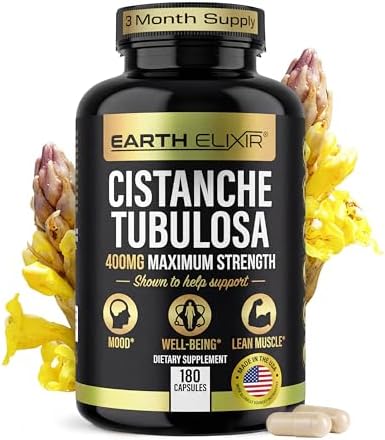


In addition to hormone regulation, cistanche has been studied for its cognitive-enhancing properties. Animal studies demonstrate that cistanche can improve memory and learning capabilities, potentially due to its ability to modulate neurotransmitters within the brain. The polysaccharides and phenylethanoid glycosides present in cistanche exhibit neuroprotective effects, which can help in reducing age-related cognitive decline. Enhancements in spatial memory and long-term memory consolidation have been documented, indicating a promising avenue for further research on aging and cognition.
The immune system also benefits from cistanche consumption. Research has indicated that the herb can boost the activity of macrophages, essential cells that play a key role in the immune response. By enhancing immune function, cistanche may help the body fend off infections and illnesses, making it an important addition for those seeking to strengthen their overall health.
Moreover, the anti-aging properties of cistanche are supported by studies showing its role in combating oxidative stress and inflammation, common culprits behind accelerated aging. The antioxidant-rich nature of cistanche helps to neutralize free radicals, thereby reducing cellular damage and promoting longevity. Collectively, these insights into cistanche’s effects on hormones, cognition, immunity, and aging underline its significant potential as a natural remedy for enhancing vitality and well-being.
Supplement Protocols: Dosage, Safety, and Considerations
Cistanche, known for its potential health benefits, requires careful consideration regarding dosage and administration. Typically, the recommended dosage ranges from 300 to 1,200 mg per day, depending on individual health goals and specific products. Cistanche extracts vary in potency, thus it is essential to choose high-quality supplements. For optimal absorption and effectiveness, it is generally advisable to take cistanche with food. This can help enhance its bioavailability, allowing the beneficial compounds to be absorbed effectively into the bloodstream.
When considering a supplement routine, it is crucial to cycle cistanche for periods of time, such as taking it for six weeks followed by a two-week break. This cycling approach can potentially maximize its effects while minimizing the risk of tolerance or side effects.
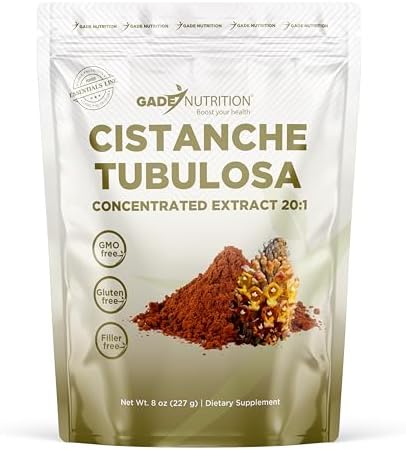


As with any supplement, safety is a priority. While cistanche is generally regarded as safe, certain populations should exercise caution. Pregnant and breastfeeding women should avoid cistanche due to a lack of sufficient safety data. Individuals with known diseases or those on specific medications should consult healthcare professionals before beginning supplementation, particularly those with hormone-sensitive health conditions. Misconceptions often arise regarding the usage of cistanche; for instance, it is sometimes mistakenly regarded as an immediate solution for vitality or hormone issues. However, it functions best as part of a holistic approach to health, including diet and lifestyle.
In weighing whether cistanche is worth trying, it is vital to consider personal health objectives and consult relevant information. For many, the potential benefits may align with their wellness goals. A frequently asked question is whether cistanche can be used long-term. While many users report positive outcomes, continuous consultation with a healthcare provider is recommended for long-term use, ensuring safety and efficacy.