
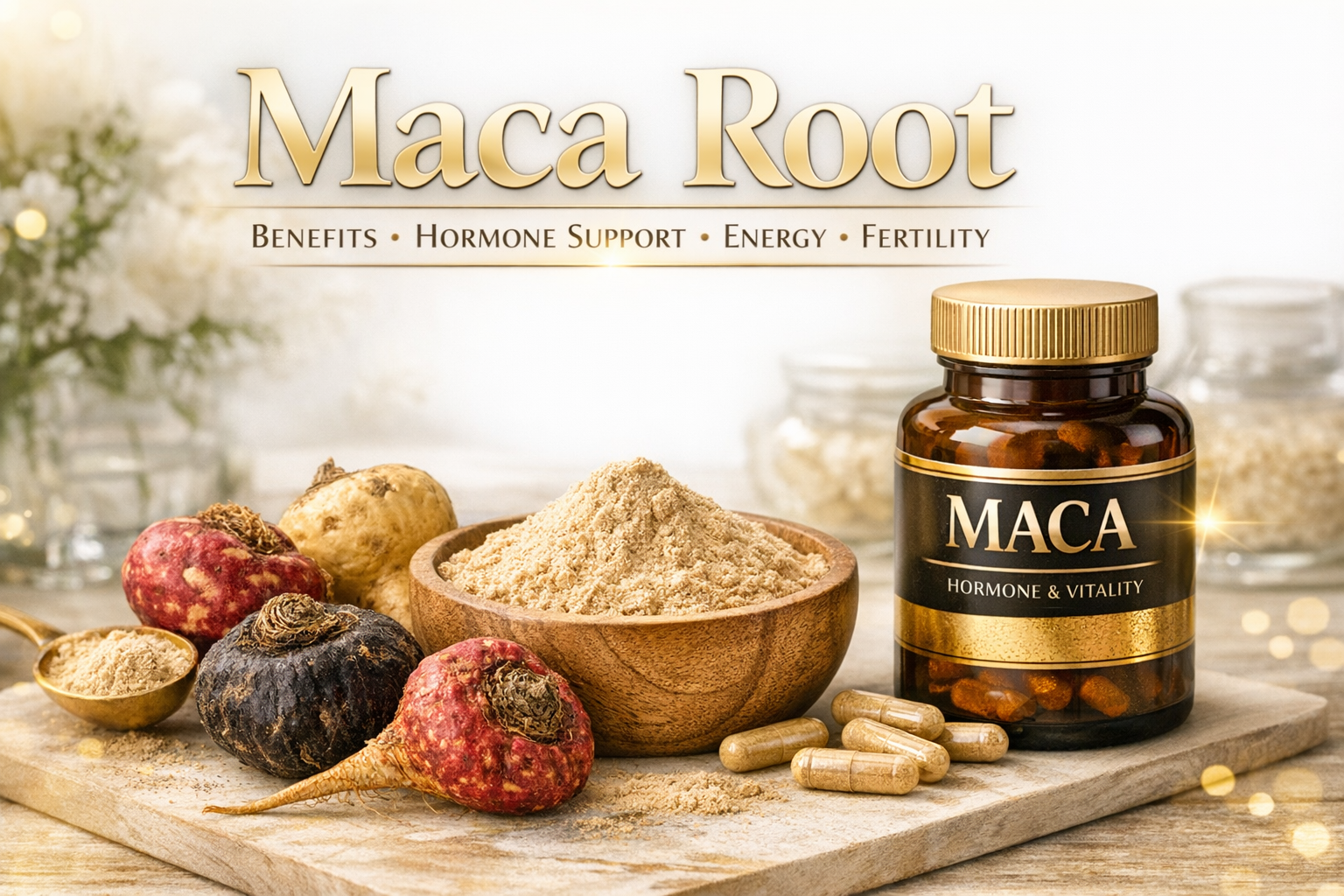
Understanding Maca Root: A Historical Overview
Maca root, scientifically known as Lepidium meyenii, is a cruciferous vegetable native to the high Andes mountains of Peru, where it has been cultivated for over 2,000 years. Traditionally, the indigenous peoples of this region have revered maca not only for its nutritional benefits but also for its role in enhancing fertility and overall vitality. Historical records indicate that maca was considered a cornerstone of the local diet, often referred to as a superfood for its rich nutrient profile, which includes essential amino acids, vitamins, and minerals.
This root vegetable thrives in harsh climatic conditions, exhibiting remarkable resilience and adaptability, a quality that has contributed to its reputation as a natural remedy. Maca was historically consumed in various forms, such as powdered supplements, teas, or cooked vegetables, highlighting its versatility in ancient culinary practices. The native populations believed that consuming maca could improve stamina, enhance physical strength, and increase sexual energy, making it an integral part of ceremonial rites and traditional healing practices.
The cultivation of maca root has deep cultural significance in Peru. It was often used in rituals and as offerings to the gods, underscoring its value beyond mere nutrition. Furthermore, ancient Incas fed maca to their warriors before battles, believing it would increase their endurance and performance. With its storied past, maca root has transcended its geographical origins, gaining popularity worldwide as a powerful supplement for hormone balance, increased energy levels, and fertility support.


Today, scientists and nutritionists continue to explore the beneficial properties of maca, investigating its potential effects on health and wellness, particularly concerning hormone regulation and reproductive health. As research progresses, the age-old knowledge of this superfood is being validated, shedding light on its historical relevance and contemporary applications.
Types of Maca: Yellow, Red, and Black
Maca root, a crucial adaptogen and superfood, is available in several varieties, each with unique properties and benefits. The three primary types of maca are yellow, red, and black, and understanding their specific attributes can guide consumers in selecting the most suitable option for their health needs.
Yellow maca, the most common variety, is often regarded as a general health booster. It is widely used for its ability to enhance energy, improve mood, and promote overall hormonal balance. This type is particularly effective in supporting endurance and stamina, making it a favorite among athletes and fitness enthusiasts. Additionally, yellow maca may aid in reducing anxiety and stress, contributing to improved reproductive health.
Red maca, on the other hand, is distinguished by its vibrant color and is specifically noted for its potential benefits in fertility and hormone regulation. Numerous studies have suggested that red maca can improve sperm quality and increase libido in men. For women, it may help alleviate symptoms of menopause and menstrual discomfort, promoting a more balanced hormonal state. Its antioxidant properties also support overall health by combating oxidative stress.
Black maca is less common but widely praised for its purported effects on testosterone levels and energy enhancement. This variety is particularly beneficial for those looking to increase libido and muscle strength. Research indicates that black maca may improve fertility rates in both males and females, making it an excellent choice for individuals focused on reproductive health.
Each type of maca offers distinct health benefits and can be selected based on individual health goals. Incorporating these variations into one’s diet can provide a natural approach to supporting hormonal balance, enhancing energy levels, and promoting fertility.


Science-Backed Benefits of Maca for Hormones and Wellness
Maca root, a natural adaptogen derived from the Peruvian Andes, has garnered attention in recent years for its myriad benefits related to hormonal health, energy enhancement, and overall wellness. Studies have shown that maca positively affects the hypothalamic-pituitary-adrenal (HPA) axis and larger endocrine system. Such support is vital for maintaining balance across various hormonal levels, which in turn can improve mood, energy, and sexual health.
One of the pivotal findings regarding maca is its potential role in fertility and libido enhancement. Research indicates that regular consumption of maca may lead to increased sexual desire and improved sperm production in men. In women, it has been associated with a reduction in symptoms of menopause and premenstrual syndrome (PMS), suggesting that maca may help alleviate discomfort during significant hormonal fluctuations.
Furthermore, maca has been noted for its energy-boosting properties. Unlike caffeine, which provides a temporary surge of energy followed by a crash, maca works by nourishing the body, thereby sustaining energy levels more evenly throughout the day. This characteristic makes it an appealing alternative for individuals seeking to enhance their physical performance or combat fatigue without relying on stimulants.
When comparing maca to other adaptogenic herbs, such as ashwagandha and tongkat ali, it becomes evident that each offers unique health benefits. While ashwagandha is more renowned for its stress-reduction and anxiety-relieving properties, tongkat ali has primarily been studied for its effects on testosterone levels and athletic performance. Maca’s distinctive ability to balance hormones while promoting energy makes it a versatile addition to the wellness regimens of many individuals.
In conclusion, the science behind maca root underscores its potential in supporting hormonal health, enhancing energy, and promoting overall wellness. Its unique properties warrant further exploration in the realm of herbal medicine, providing a natural alternative for those seeking holistic health solutions.
Safe Usage of Maca: Dosage, Side Effects, and Supplement Recommendations
When considering the integration of maca root into one’s diet, understanding proper dosage is crucial for safety and efficacy. The typical recommended dosage of maca powder varies from 1.5 to 3 grams per day. It is advisable to start with a lower dose and gradually increase it to assess personal tolerance. For those opting for capsules, doses generally range between 500 mg to 1,500 mg, taken one to three times a day.
When determining the timing of maca consumption, it is beneficial to consume it consistently, either in the morning or with meals, to maintain stable hormone levels and energy throughout the day. Furthermore, cycling maca intake can be beneficial. Users may consider a regimen such as three weeks of consumption followed by one week off to allow the body to reset and avoid potential tolerance.
While maca is generally regarded as safe, some individuals may experience mild side effects. Common effects include digestive upset, which can often be mitigated by adhering to recommended dosages. Other rare side effects may encompass insomnia, headaches, or changes in menstrual cycles, particularly for those who may be sensitive to hormonal fluctuations. Individuals with hyperthyroidism or certain hormone-sensitive conditions are advised to consult healthcare professionals before beginning maca supplementation.
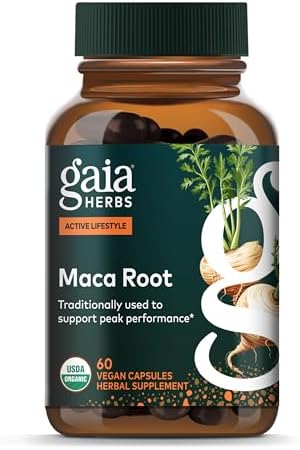
Different forms of maca—such as powder, capsules, and gelatinized variants—provide flexibility in consumption. Powdered maca can be added to smoothies, oatmeal, or baked goods, while capsules offer convenience for on-the-go individuals. Gelatinized maca, which undergoes a heating process to remove starch, is easier to digest, making it suitable for those who may experience gastrointestinal discomfort from raw powder. Ultimately, careful selection of dosage and form, alongside monitoring one’s individual responses, can lead to beneficial outcomes when integrating maca into one’s healthy lifestyle.